How a Modern Funeral Home Website Can Act as a Local Economic Anchor
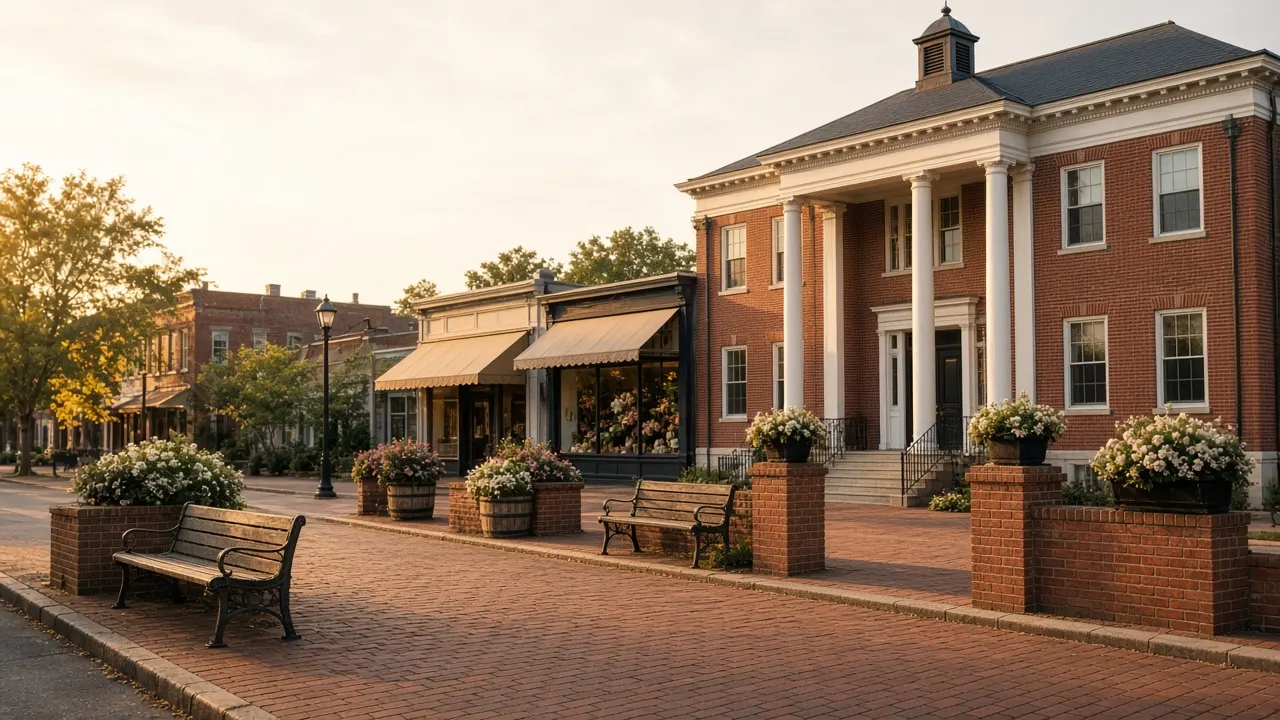
Moving Beyond the Brochure: Positioning Your Website as a Community Hub
For decades, the primary function of a funeral home website was simple: to list services, display hours, and provide basic contact information. While these elements remain crucial, relying on a website that merely functions as a digital brochure is a missed opportunity in today’s hyper-connected, community-focused environment. A modern, effective funeral home website must transcend its role as a directory and instead function as a digital town square—a local economic anchor. This shift in perspective is perhaps the most powerful change a funeral home can make to its digital presence.
The goal is not just to attract clients when they are in need, but to establish a constant, positive presence in the local consciousness. When your website consistently provides value—whether through local history, vendor spotlights, or memorial resources—it builds trust and familiarity long before a crisis occurs. This proactive positioning transforms your business from a service provider that is called in times of crisis, to a foundational community resource that is known and trusted year-round.
Actionable Tactic for Today: Review your homepage. If the first three things a visitor sees are "Services Offered," "About Us," and "Contact," you are still operating as a brochure. Instead, reorganize the primary calls-to-action (CTAs) to focus on community engagement, such as "Local Memorial Resources," "Local Partnerships," or "Community Events Calendar." This subtle shift immediately signals that your website’s purpose is broader than just facilitating end-of-life services.
Integrating Local Partnerships for Mutual Growth
The most powerful aspect of turning your website into an economic anchor is the strategic integration of local partnerships. These aren't just links to other businesses; they are curated, featured relationships that showcase the breadth of local expertise and care available to your community. By doing this, you are positioning your funeral home as the central curator of local life and memory, not just the final provider of services.
These partnerships can extend far beyond traditional vendors. Consider local florists who specialize in unique arrangements, local artisans who create memorial keepsakes, or even community historians who can provide context for memorial services. By featuring these partners on dedicated website pages, you achieve two major goals: you enrich the visitor experience with diverse, high-quality resources, and you generate positive referral traffic for your neighbors.
Concrete Scenario: Imagine a local funeral home that dedicates a section of its website titled "Our Local Circle of Care." Instead of just listing "Florist: ABC Flowers," they create a mini-profile for ABC Flowers that includes a short interview with the owner about their commitment to local sustainability, and a gallery of their most unique work. This elevates the florist from a mere vendor to a respected local partner, and it positions the funeral home as the knowledgeable connector who champions local talent.
Building a Digital Resource Library for Remembrance
The modern grieving process is complex, multifaceted, and often involves navigating a confusing array of emotions, logistics, and traditions. Your website can be the ultimate guide, transforming from a transactional tool into a profound educational resource. A robust resource library mitigates the stress of the unknown and establishes your expertise in a helpful, non-salesy manner.
A comprehensive resource library should cover more than just funeral planning. It should address the entire lifecycle of remembrance. This includes topics like local burial laws, the history of memorial services in your region, guides to different cultural traditions, and even resources for pre-need planning that are presented as acts of love and foresight.
Step-by-Step Implementation:
- Identify Pain Points: Ask your staff and community members: "What questions do people ask us that aren't about cost or procedure?" (e.g., "How do I write a eulogy?" "What are the local regulations on scattering ashes?").
- Create Dedicated Guides: Build detailed, SEO-optimized articles answering these questions. For example, instead of a single "Memorial Service" page, create a guide titled, "The Complete Guide to Planning a Meaningful Celebration of Life in [Your Town]."
- Curate Templates: Offer downloadable, non-proprietary templates, such as "Eulogy Outlining Worksheet" or "Guest Book Prompt Ideas." These tools provide immediate, tangible value and establish your authority.
Optimizing Website Structure for Local Search Dominance
For your website to function as a local anchor, it must first be visible to local search engines. This requires meticulous attention to Search Engine Optimization (SEO) that goes far beyond simply listing your service area. You must demonstrate to Google that you are the definitive, authoritative source for memorial services and community resources in your specific zip codes and neighborhoods.
This means adopting a hyper-local content strategy. If you serve a town with distinct neighborhoods (e.g., the historic district, the waterfront area, the university area), dedicate specific landing pages to each one. These pages should incorporate local landmarks, local history facts, and even photos of the neighborhoods, weaving your services into the local tapestry.
Example of Hyper-Local SEO: If you are targeting the "Old Town" neighborhood, your page shouldn't just say, "We serve Old Town." It should say, "Celebrating Life in Old Town: Honoring the History and Spirit of [Town Name]'s Most Beloved Corner." This level of specificity signals deep local roots to both search engines and potential clients, building immediate trust.
The Technical Foundation: Ensuring Reliability and Trust
No matter how brilliant your community content or partnership strategy is, the website must be technically flawless. A slow-loading site, a confusing navigation structure, or a site that looks outdated immediately undermines the trust you are working so hard to build. Reliability is non-negotiable, especially when dealing with sensitive life events.
Furthermore, the website must be designed with accessibility and emotional sensitivity in mind. This means adhering to WCAG guidelines, ensuring high color contrast, and structuring content so that a grieving person, who may be overwhelmed, can navigate it without effort.
Consider the user journey during a time of stress. The user may be on a mobile phone, having just received devastating news, and they may only be able to read for a minute or two. Your site must be able to guide them instantly to the most critical information—whether it's your 24/7 line, the immediate steps for a viewing, or a simple, comforting message.
For businesses focused on maintaining a high level of discretion and privacy, understanding the technical requirements for modern, secure digital platforms is key. For instance, some local boutique services that prioritize privacy and discreet delivery require highly specialized, secure web architecture, much like the approach taken by premium discreet wellness boutiques.
If you find that the technical demands of maintaining a high-performing, local, and resource-rich site feel overwhelming, remember that specialized support is available. Understanding the full scope of what is required to build and maintain this kind of valuable digital asset can be complex, and reviewing detailed information on [https://funeralwebagency.com/pricing] can help clarify the investment required for a professional, future-proof solution.
By viewing your website as an economic anchor—a hub for local resources, education, and community connection—you transform it from a cost center into a powerful, revenue-generating, and reputation-building asset.
Taking the first step toward a community-focused website audit is the most impactful action you can take today.
Frequently Asked Questions
How can a funeral home website generate revenue beyond traditional services?
What role does the website play in attracting local partnerships and B2B referrals?
How does optimizing the website for local SEO boost the local economy?
Ready to turn searches into booked jobs?
Funeral Web Agency — expert guides and resources.
