From Digital Front Door to Physical Experience: Integrating Virtual Tours into Funeral Home Web Design
Transforming First Impressions: Making the Website the Sanctuary of Preparation
The modern search journey for services related to loss is characterized by immense stress, grief, and immediate need. When a family first searches for a funeral home, the website is not merely an informational brochure; it is the first point of contact, the initial emotional touchpoint, and often the primary source of comfort and direction. If a family lands on a website and feels confused, overwhelmed, or unsure of the physical environment, the trust needed to move forward is immediately compromised. The goal of optimizing your funeral home web design is to transform that initial digital interaction from a source of anxiety into a calm, preparatory, and reassuring experience.
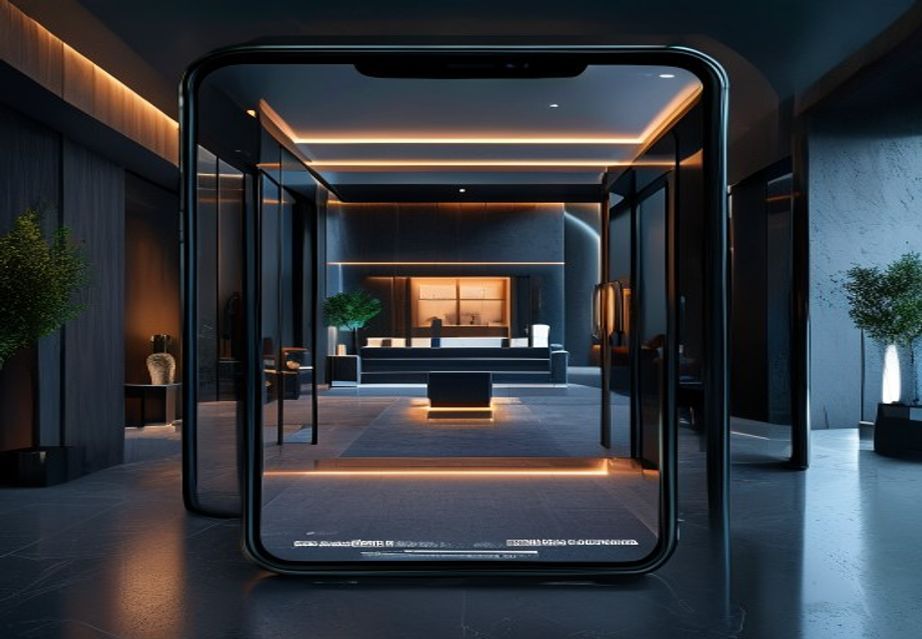
One of the most powerful, yet often underutilized, tools in achieving this is the integration of high-quality virtual tours. A virtual tour serves as a digital reconnaissance mission for the family. It allows them to explore the facility—from the reception area and chapel to the viewing rooms and administrative offices—at their own pace, during their own time, and from the comfort of their home. By proactively addressing the "what will it be like to actually go there?" question, you eliminate a significant source of pre-visit anxiety. This preparatory step is critical because it allows the family to feel physically comfortable with the space before they are in an emotionally heightened state.
***
Why Virtual Tours Are Essential for Building Digital Trust
The primary function of a virtual tour is not just to show off the physical plant; it is to build trust through transparency. For many families, the emotional weight of the process means that logistical details—like the layout of the viewing room or the flow between the chapel and the reception area—become sources of low-grade anxiety. By providing a comprehensive, navigable digital walkthrough, you are doing more than just showing rooms; you are demonstrating professionalism, meticulous organization, and a commitment to the family’s comfort.
Consider the difference between a static photo of a chapel and a navigable 360-degree tour. The photo gives a single, idealized snapshot. The tour, however, shows the relationship between spaces. It lets the family understand the flow: How do I get from the parking lot to the receiving area? How far is the chapel from the main office? This level of detail communicates competence. When a family feels competent in their preparation, they feel safer, and safety is the bedrock of trust.
Scenario Example: A family might be concerned about the accessibility of the viewing room, especially if they have mobility issues. A virtual tour can highlight the ramp access, the width of the hallways, and the location of necessary amenities, providing concrete reassurance that a simple photo could never achieve.
***
Integrating the Tour Seamlessly into the User Journey
A virtual tour, no matter how high-quality, will fail if it is presented as a tacked-on afterthought. It must be woven into the core narrative of the website, serving as a natural progression point in the user's journey. The website’s design must guide the family toward the tour when they are ready to move from general information (e.g., "What services do you offer?") to physical logistics (e.g., "What is the facility like?").
Strategic Placement and Callouts
Do not simply link to the tour from the footer. Instead, strategically place callouts where the user's questions about the physical space are likely to arise.
- On the "About Us" Page: Use the tour as a centerpiece, framing it with text that emphasizes the care and comfort of the environment.
- On the "Services" Page: If you discuss viewing options, include a small, embedded preview of the viewing room section of the tour.
- On the Homepage: Feature a prominent, but non-aggressive, CTA like, "Explore Our Peaceful Facilities Virtually."
Actionable Tactic: Implement a "Walkthrough Checklist" near the tour link. Before the family enters the virtual environment, present a list of what they can look for (e.g., "Check out the accessibility ramps," "Note the seating arrangements in the chapel," "See the quiet reflection area"). This primes the user, making the tour feel like an active, helpful exploration rather than a passive viewing.
***
Optimizing the Technical Experience for Anxiety Reduction
The technical performance of the virtual tour is directly tied to the family's emotional state. If the tour loads slowly, buffers frequently, or requires too many clicks to navigate, the initial sense of calm you are trying to create will be instantly shattered, leading to frustration and mistrust. This is not just a technical requirement; it is a core component of compassionate web design.
Key Technical Best Practices
- Mobile-First Design: The majority of users will access the site on a phone, often while grieving and in a hurry. The virtual tour must be perfectly optimized for mobile viewing, loading quickly and being easily navigable with a thumb.
- Loading Speed: Use optimized image formats and lazy loading techniques. A tour that takes more than three seconds to begin loading on a standard connection will significantly increase bounce rates.
- Intuitive Controls: The navigation within the tour must be foolproof. Use clear arrows, intuitive hotspots, and a simple map overlay. Do not hide the navigation controls.
Concrete Example: Instead of embedding a massive, high-resolution video that requires significant bandwidth, consider using a series of optimized, interactive 360-degree photographs with clear hotspots. This approach balances visual fidelity with rapid loading times, ensuring a smooth, professional experience even on slower connections.
***
Beyond the Tour: Using Digital Assets for Holistic Care
While the virtual tour is a powerful tool for physical reassurance, a truly exceptional funeral home web design recognizes that the family's needs extend far beyond facility tours. The website must function as a comprehensive resource for emotional support, logistical guidance, and memorialization. The digital platform should become the single source of truth for all aspects of the process.
Structuring the Value Proposition
Your website should guide the user through the entire emotional and logistical lifecycle of loss, not just the service itself. This requires creating dedicated sections that address common anxieties.
- The "What to Expect" Guide: This section should demystify the process. Use clear, non-jargon language to explain the steps from initial contact to final arrangements.
- Resource Library: Offer links to grief support groups, local bereavement resources, and even articles on memorial traditions. This positions the home as a community partner, not just a service provider.
- Legacy Building Integration: Complement the service aspect with resources that help families remember and honor lives. For instance, integrating links or information about creating lasting digital keepsakes can provide an immediate, actionable way for the family to feel productive and in control during a difficult time.
By expanding the site's scope to include these supportive, educational elements, the virtual tour takes on a secondary, reinforcing role—it is simply one part of a larger, holistic support system. This approach elevates the entire web presence from a mere brochure to an invaluable, caring digital guide.
***
Measuring Success: Metrics Beyond the Bounce Rate
To prove the value of integrating features like virtual tours, you must track the right metrics. Focusing solely on bounce rate is insufficient because a user may leave the site not because they were disappointed, but because they were overwhelmed by grief. The goal is to measure engagement and confidence.
Key Performance Indicators (KPIs) to Track
- Time Spent on Key Pages: If the average time spent on the "Facility Tour" page significantly increases, it indicates that the content is valuable and engaging the user in a positive way.
- Virtual Tour Completion Rate: Track how many users start the tour versus how many complete it. A high completion rate suggests that the navigation is intuitive and the content is compelling.
- CTA Conversion Path: Measure the conversion rate after the tour. If families who view the virtual tour are more likely to request a consultation or call than those who do not, the tour is directly contributing to trust and conversion.
Real-World Insight: When a funeral home updated its web design to include a seamless virtual tour, they reported a marked increase in calls from families who specifically mentioned that the virtual walkthrough helped them feel more prepared and confident about visiting the physical location. This tangible link between digital preparation and physical confidence is the ultimate measure of success.
By consistently optimizing your funeral home web design to prioritize emotional readiness and transparency, you transform your website into a powerful, empathetic first impression that builds trust long before the family steps through your front doors.
Focus on integrating these preparatory digital experiences into your web strategy today.
Ready to turn searches into booked jobs?
Funeral Web Agency — expert guides and resources.