Designing for Paw Prints: Specialty Web Design for Pet Memorialization Services
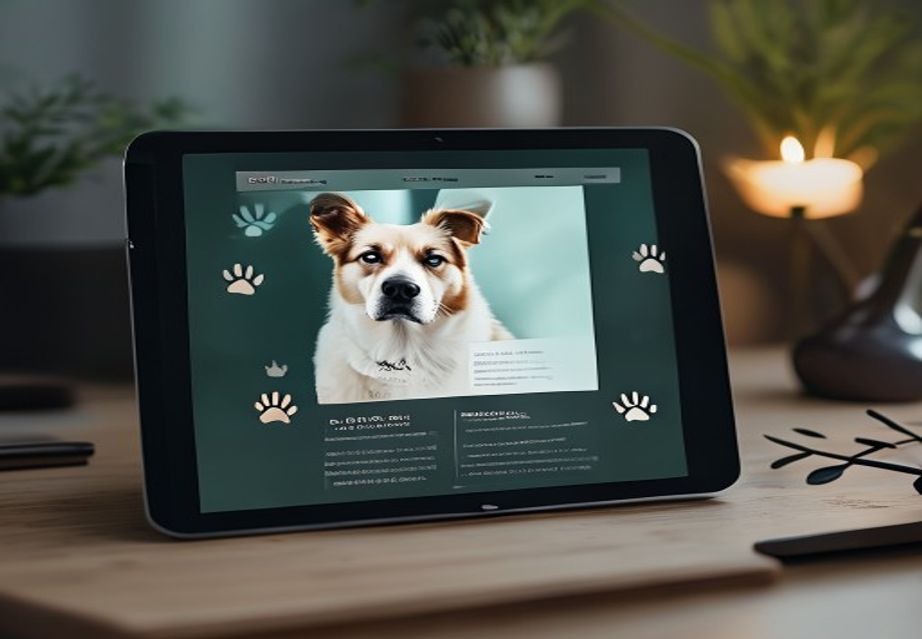
Understanding the Emotional Architecture of Pet Memorial Websites
When designing a website for pet memorialization or veterinary services, you are not simply building a digital brochure; you are building a digital sanctuary. The emotional weight carried by your clients—the profound grief, the deep love, the need for remembrance—must be the primary guiding force behind every design decision. A successful site must feel instantly comforting, trustworthy, and effortlessly navigable, even when the visitor is at their most vulnerable. The greatest mistake a business can make is prioritizing flashy features or complex layouts over simple, empathetic functionality.
To start improving your site today, focus on the "single-task principle." When a visitor lands on your homepage, what is the single most important action you want them to take? Is it to find grief resources, book a consultation, or view tribute options? Do not make them hunt for this answer. Use clear, high-contrast calls-to-action (CTAs) that speak to the emotional state of the visitor, rather than just the transactional service. Instead of a button that says "Book Service," try something like "Find Comfort and Support" or "Begin Creating a Tribute." This immediate shift in language signals empathy and helps guide the user through the initial shock of loss.
Designing for Immediate Trust and Authority
Trust is the most valuable commodity in the pet memorialization industry. Clients are making decisions during a time of extreme emotional distress, and they need to feel confident that they are dealing with experts who genuinely care. Your website must project authority, not just competence. This means more than just having professional photos; it requires structuring content that anticipates and answers every potential question, from the logistical details of cremation to the emotional nuances of pet loss.
A concrete way to build immediate trust is through transparent, detailed service breakdowns and visible testimonials. However, generic testimonials ("Great service!") are useless. Instead, feature specific, emotionally resonant case studies (with permission, of course). For example, instead of saying "We handled the arrangements well," a testimonial might read: "The way they helped us set up the online memorial kept all our family connected during the hardest week. It made the process feel manageable." Furthermore, ensure your About Us page doesn't just list staff credentials; it should tell the story of why your team is passionate about pet loss, connecting your professional expertise to genuine empathy.
The Functional Pillars: Service Booking and Resource Centers
While the emotional design is crucial, the functional elements are what keep the business running smoothly. A pet memorial website needs two distinct, yet integrated, functional pillars: the transactional side (booking, pricing, services) and the educational/supportive side (resources, grief guides). Failing to separate these can overwhelm the user.
Consider the structure of your service booking process. It should be linear, simple, and forgiving. If a client is booking a service, they should not have to jump between three different pages just to understand the pricing structure. Instead, dedicate a clear, easily accessible section that outlines the steps: 1. Initial Consultation $\rightarrow$ 2. Service Selection $\rightarrow$ 3. Tribute Options $\rightarrow$ 4. Finalization. For the resource center, think of it as a digital library of comfort. This section should contain downloadable guides—things like "A Guide to Understanding Pet Cremation Options" or "Coping with the Loss of a Companion Animal." By offering genuine value through these guides, you establish yourself as a helpful expert, not just a service provider.
Crafting Meaningful Online Tributes and Legacy Keepsakes
The modern pet memorialization process increasingly relies on digital remembrance. The online memorial is often the first, and sometimes the most lasting, point of contact for the grieving family. This digital space must be beautiful, highly customizable, and easy for all family members to contribute to, regardless of their technical skill level.
A specialty web design for this niche must go beyond simple photo galleries. It needs to incorporate features that allow for the creation of lasting, multi-sensory tributes. This could include dedicated sections for family stories, favorite photos organized by year, or even a digital "memory wall" where loved ones can leave written messages. For example, a sophisticated memorial platform might allow users to upload a short audio message remembering the pet, creating an auditory layer to the tribute that static images cannot replicate. When considering how to build out these tribute pages, look at the capabilities of established online memorial platforms; for instance, exploring resources like https://justlivingmemories.com/ can provide inspiration for how to weave multiple forms of digital remembrance into one cohesive, beautiful experience.
Optimizing for the Emotional Searcher: SEO and UX
Search Engine Optimization (SEO) for pet memorialization is unique because your potential clients are not searching for "best pet memorial services" in the same way a typical commercial searcher is. They are searching from a place of need, often using highly emotional or vague search terms (e.g., "loss of pet support," "how to remember a pet"). Your website's User Experience (UX) must cater to this emotional search intent.
To optimize for this, you must build out comprehensive, authoritative content that answers the questions people are asking, rather than just listing your services. If people search "what is pet cremation," your site should have a definitive, easy-to-read article that explains the process, the options, and the emotional context, all while naturally guiding them toward your services when they are ready. Furthermore, ensure your site is flawlessly mobile-optimized. Most people will be accessing this site from a phone while they are physically distressed and unable to navigate a complex desktop site. Every button must be finger-friendly, and every piece of text must be legible in moments of tears.
The Technical Roadmap: Making the Design Work for Your Business
Finally, even the most empathetic design will fail if the underlying technology is slow, clunky, or difficult to maintain. When discussing the technical aspects of a specialty web design, consider the entire lifecycle of the site. This includes robust backend management for your memorial pages, secure payment processing for services, and scalable hosting that can handle traffic spikes (such as during peak grief seasons).
When developing your site, work with a team that understands both emotional design and technical complexity. They should be able to translate the feeling of comfort into clean, efficient code. This includes integrating appointment scheduling software that syncs seamlessly with your internal calendars and CRM (Customer Relationship Management) tools. A comprehensive approach ensures that when a client books a consultation, that information immediately populates the correct file, allowing your staff to respond with personalized care, making the entire digital journey feel seamless and professional. For a detailed understanding of how these complex systems are built, reviewing examples like https://funeralwebagency.com/pricing can offer a practical view of comprehensive digital solutions.
Implementing these strategic, empathy-first design choices will transform your website from a mere online presence into a vital, comforting digital resource that guides families through one of life's most difficult transitions.
Take the first step today by mapping out your current website's user journey against the emotional needs of your clientele.
Ready to turn searches into booked jobs?
Funeral Web Agency — expert guides and resources.