Designing for Green: How Your Funeral Home Website Can Showcase Sustainable Practices
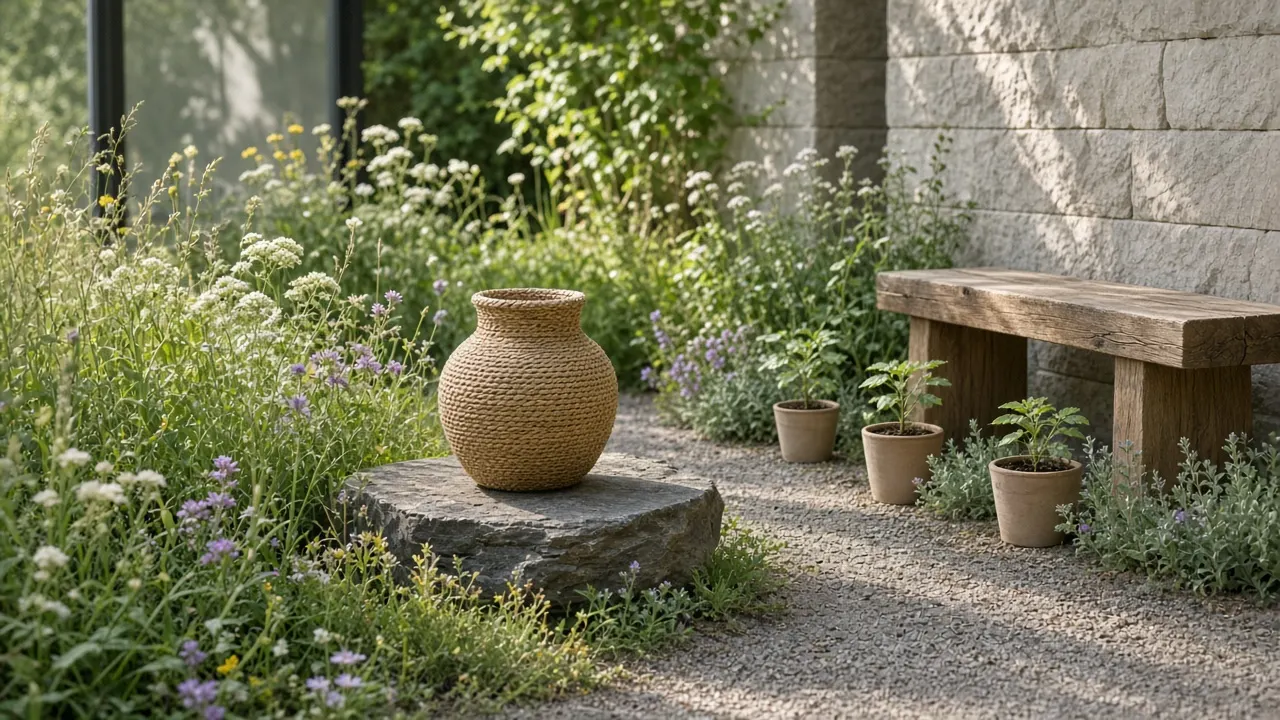
Elevating Trust: Integrating Environmental Ethics into Your Funeral Home Website
In today's highly conscious market, the modern consumer—especially those planning future arrangements—are increasingly scrutinizing the values of the businesses they entrust with their most personal decisions. Sustainability has moved from being a niche ethical concern to a core expectation of service. For funeral homes, demonstrating a commitment to environmental stewardship is not merely a marketing tactic; it is a vital way to build deep, lasting trust. Your funeral home website must reflect the care and consideration you give to the environment, mirroring the care you give to the deceased and their families.
The most effective way to start integrating sustainability today is by creating a dedicated, highly visible "Our Commitment" or "Sustainable Practices" page. Do not bury this information deep within the footer. Instead, use the homepage and service pages to subtly point toward this resource. For example, if you list cremation services, include a small, verifiable badge or icon that reads "Eco-Conscious Choice" and links directly to the details of your waste reduction protocols. These small, actionable digital signals communicate transparency and expertise instantly.
Documenting Sustainable Sourcing and Product Choices
The physical products used in funeral services—caskets, urns, flowers, and embalming materials—are often the most visible touchpoints for sustainability. Your website needs to serve as a transparent educational resource detailing why and how your choices are environmentally responsible.
Transparency in Materials and Provenance
Avoid vague claims like "eco-friendly." Instead, get specific. If you use reclaimed wood, state where the wood comes from and what processes were used to ensure its sustainability. If you offer biodegradable caskets, explain the specific materials (e.g., willow, bamboo, or specific types of resin) and detail their decomposition rate. This level of detail combats skepticism and establishes you as a genuine expert.Concrete Scenario: Instead of simply listing "Green Options," create a comparison chart titled "Choosing Your Memorial Vessel." This chart should compare three options (e.g., standard mahogany, recycled birch, and bamboo) side-by-side, detailing the material source, the carbon footprint reduction, and the expected longevity of the product. This educational approach empowers the family and positions your staff as knowledgeable advisors, not just sellers.
Implementing a "Why It Matters" Section
Every sustainable claim must be backed by a brief explanation of why it matters to the planet. For instance, when discussing cremation, don't just state that it is energy-efficient; explain that by reducing the need for elaborate, resource-intensive materials, it lessens the overall demand on global resources. This narrative framing transforms a product feature into a moral imperative, resonating powerfully with the conscientious consumer.Minimizing Waste: Protocols for Resource Reduction
Sustainability is not just about what you sell; it is about how you operate. Families are highly aware of waste, and showcasing your internal protocols for waste reduction can be a profound trust-builder.
Operational Waste Management
Detail your commitment to reducing waste across all aspects of your service. This includes everything from paper usage in the viewing room to the handling of floral arrangements. If you partner with local composting facilities, dedicate a paragraph describing that partnership. If you use digital memorial records instead of physical binders, explain the energy savings and paper reduction achieved by that process.Actionable Step-by-Step: Create a mini-guide titled "Our Commitment to Zero Waste." Use numbered steps to outline your process:
- Pre-Service: Digital guest books and printed materials on recycled stock.
- Service: Floral arrangements sourced from local farms, minimizing transportation emissions.
- Post-Service: All bio-waste is composted or ethically disposed of through certified partners.
The Role of Digitalization in Waste Reduction
A key element of modern sustainability is the move away from physical archives. Highlighting your digital capabilities—such as online tribute pages or digital memorial albums—is a powerful way to demonstrate reduced resource consumption. For example, you can naturally link to resources like [online memorials and legacy keepsakes] to show families how they can preserve memories without physical waste.Showcasing Eco-Friendly Options: Beyond the Casket
While the casket and urn are often the primary focus, true sustainability showcases a holistic approach to the entire memorial process. The website must guide the user to consider all facets of an eco-conscious farewell.
Sustainable Floral and Horticultural Choices
Many families assume flowers are a simple expense. Instead, treat them as an opportunity for sustainability education. Showcase local partnerships with florists who prioritize seasonal, low-mileage blooms. If you incorporate plant life that can be replanted (such as living wreaths or potted plants), make this the central feature, detailing the care instructions for the family.Real-World Example: A notable example of this dedication is seen in some regional funeral homes that have developed relationships with local tree-planting charities. They don't just donate a percentage; they dedicate a specific, tangible action—such as planting a sapling in the memory of the deceased—and feature the process on their website, allowing families to track the contribution.
Ethical Service Alternatives
Ensure your website clearly outlines alternatives to traditional, resource-intensive services. This might include:- Natural Burial Options: Detailed information on scattering gardens and natural interment.
- Simple Cremation: Highlighting the efficiency and minimal impact of this method.
- Commemoration Services: Offering virtual or simple, low-impact services that focus on memory rather than material goods.
Building Trust Through Verifiable Credentials
In the digital age, claims must be verifiable. Building trust requires moving beyond aspirational language and adopting a tone of verifiable fact.
The Importance of Third-Party Certification
If your home or your suppliers hold any recognized environmental certifications (e.g., LEED for facilities, or specific sustainable sourcing labels), do not just mention them. Dedicate a small section to explaining what the certification means and why it benefits the client. Use logos and brief explanations rather than just listing the names.Crafting the Narrative of Responsibility
The narrative must be consistent across every page. If the homepage mentions caring for the community, the services page should mention caring for the environment, and the pricing page should reflect the value of ethical choices. This consistency reinforces the brand promise.For those looking to optimize their digital presence and ensure their sustainable message is delivered flawlessly, professional web design is crucial. For help integrating these complex ethical narratives into a user-friendly and authoritative online experience, you might find resources like the one provided by Funeral Web Agency helpful.
By treating sustainability as a core pillar of your service—not an add-on—you transform your website from a mere brochure into a comprehensive educational resource, solidifying your reputation as a modern, ethical, and trustworthy leader in the industry.
***
To ensure your digital presence matches your commitment to care, consult with web professionals who specialize in ethical, high-trust design.
Frequently Asked Questions
What is the most effective way to showcase eco-friendly options without overwhelming the user?
Should we list specific certifications or partnerships (e.g., carbon offset programs) on the website?
How can the website demonstrate sustainability efforts beyond just the burial or cremation process?
Ready to turn searches into booked jobs?
Funeral Web Agency — expert guides and resources.
