Designing a Hyper-Local Funeral Home Website: Building Community Trust Online
Beyond the Obituary: Using Your Website to Anchor Local Community Trust
When a family faces a loss, they are not searching for the lowest cost or the most corporate-feeling solution; they are searching for reassurance, reliability, and a connection to home. In the modern digital landscape, the first time a grieving family encounters your business is online. For small, independent funeral homes, the challenge is immense: how do you compete with the polished, massive websites of national chains when your greatest asset is your deeply rooted, personal connection to the community?
The answer is to stop treating your website as a digital brochure and start treating it as your most powerful, hyper-local community hub. Your website must do more than list services; it must tell the story of your commitment to the town and the families within it. The goal of effective funeral home web design is not to look fancy, but to feel familiar, trustworthy, and deeply human.
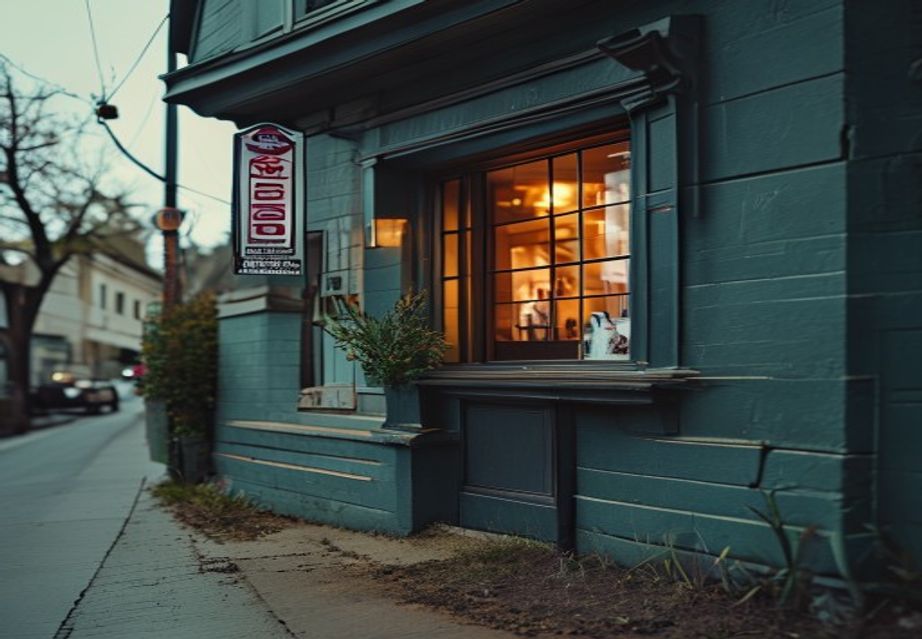
Start today by auditing your website for the "local touch." If your homepage uses stock photos of generic flowers or models smiling in funeral attire, you are missing a massive opportunity. Instead, use real photos of your physical storefront, pictures of local landmarks near your office, and genuine photos of the local community you serve—even if they are unrelated to death. Show that you are part of the neighborhood, not just in it.
Building Digital Neighborhood Ties Through Hyper-Local Content
A corporate funeral home website might feature pages like "Our Comprehensive Services" or "Nationwide Care." A genuinely hyper-local site, however, focuses on the specific geography and culture of its service area. This requires moving beyond basic service pages and embracing content that speaks directly to the rhythm of local life.
The concept here is to become the local expert on life, remembrance, and community history, not just the expert on funeral services. For example, instead of just listing "Memorial Service Options," create a blog post titled, "Three Beautiful Spots in [Your Town Name] for a Post-Service Gathering," recommending the local park, the town square, or the community center. This positions you as a thoughtful guide, caring about the entire experience of remembrance, not just the administrative process.
Consider a concrete example: If your town has a strong tradition of local amateur sports, dedicate a section or a blog post to honoring local athletes and their families. You could write about the history of the town’s high school football team or the annual farmers market. This shows that your business understands the local pulse. When a family sees that you care about the local football team as much as they care about their loved one, trust is established instantly. This proactive approach is far more valuable than simply having a "Contact Us" page.
Optimizing for Trust: Making Your Website Feel Personal
The biggest differentiator between a local, independent funeral home and a national chain is the visible presence of the people behind the curtain. Your website must reflect this human element. People are buying trust, not just services, and they need to see the faces that will be supporting them.
To achieve this, overhaul your "Meet the Team" page. Do not simply list names and titles. Dedicate space for personal anecdotes. Have a photo of the funeral director standing in front of their family home, or a picture of the staff member participating in a local charity event. Include a short, personal quote from each staff member about why they are dedicated to serving the local community. This transforms a dry professional page into a genuine connection point.
Furthermore, integrate local history and resources. If your town has a notable historical society or a local archive, link to it. If you offer specialized services, like handling multi-generational arrangements, create a visual timeline that shows how your family has served the community for decades. This narrative element reinforces stability and deep roots, which are paramount when families are in crisis.
Structuring the Service Journey: Clarity in Times of Crisis
Grief is a time when cognitive function is impaired. When a family visits your website, they should not have to hunt for answers; the information must guide them gently and logically through the entire process. Poor site structure adds unnecessary stress.
Think of your website as a supportive, step-by-step conversation. The main navigation should anticipate the questions a grieving family will ask, in order. Instead of grouping everything under "Services," consider grouping them by the stage of need:
- Immediate Needs: (e.g., "What to do right now," "Immediate arrangements," "Contact Us 24/7").
- Planning Ahead: (e.g., "Pre-planning guide," "Legacy planning," "Trust services").
- The Ceremony: (e.g., "Types of services," "Cremation vs. Burial," "Memorial options").
For the "Pre-Planning" section, which is crucial for building future revenue, make the information feel empowering, not intimidating. Use checklists and downloadable guides, such as "The 5 Questions to Ask When Pre-Planning." This provides actionable value immediately and positions you as a helpful advisor, not just a vendor.
Leveraging Digital Tools for Community Connection
A modern, hyper-local website cannot exist in a vacuum. It must integrate with other digital tools to prove its relevance and deep community ties. This involves strategically using local search engine optimization (SEO) and local citations.
Beyond simply listing your physical address, you must build a digital web of local authority. This means actively gathering reviews on Google My Business, Yelp, and local community forums. Crucially, respond to every single review—positive or negative—with a personalized, human touch that references the specific local context.
A practical step is to create a "Local Partnerships" page. List local vendors you trust and recommend, such as local florists, photographers, musicians, or caterers. By doing this, you are not only building a valuable resource for your visitors but you are also strengthening your ties with other local small businesses. This cross-promotion establishes your funeral home as a central pillar of the local community economy, making you indispensable. If you are looking to understand the technical scope of building out a robust, highly optimized site like this, reviewing the details of [https://funeralwebagency.com/pricing] can give you a clear picture of the necessary components.
The Power of Storytelling: From Listing to Legacy
Ultimately, the most powerful element of your funeral home website is the story. You are not selling coffins or services; you are facilitating the continuation of a life’s story and ensuring a legacy is honored.
Every page, from the "About Us" to the "Service Options," should be filtered through the lens of storytelling. Instead of saying, "We offer beautiful urns," say, "We help families create a beautiful, lasting tribute that reflects a life well-lived."
This narrative approach allows you to connect emotionally. When a family feels that your website understands the unique emotional weight of their situation—the complexity of remembering a parent who was also a great friend, or the difficulty of planning while dealing with logistics—they feel seen. This emotional resonance is the ultimate trust builder, making your local presence feel irreplaceable.
When your website successfully merges professional clarity with heartfelt, hyper-local storytelling, it transforms from a mere online listing into a vital, trustworthy digital extension of your physical community presence.
To begin building your local digital anchor, take the first step today by auditing your homepage for genuine local imagery and stories.
Ready to turn searches into booked jobs?
Funeral Web Agency — expert guides and resources.